Car key programming has become an essential service in today’s automotive world. With modern vehicles relying heavily on electronic systems, traditional keys are being replaced by smart keys, remote keys, and key fobs.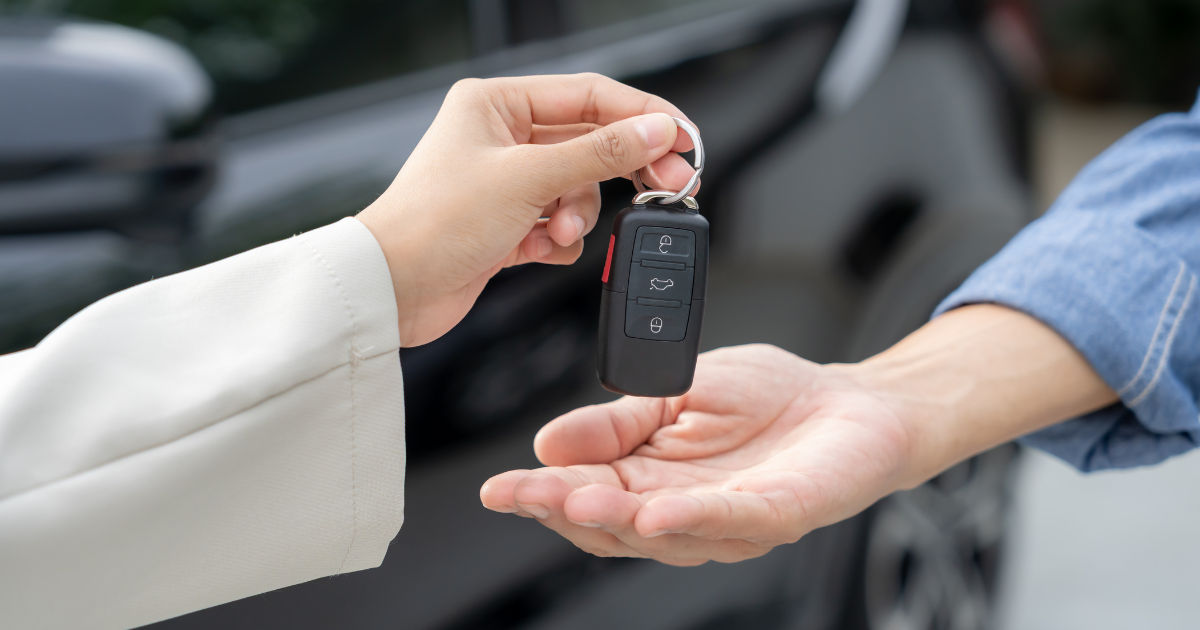
These keys are no longer just metal pieces; they contain electronic chips that communicate with your car’s security system.
Understanding car key programming is crucial for car owners, locksmiths, and automotive technicians. Whether you lost your keys, need a spare, or are replacing a damaged key, knowing the basics of car key programming can save time, money, and stress.
This guide will walk you through everything you need to know about car key programming, the process involved, and tips to ensure the service is done correctly.
What is Car Key Programming?
Car key programming is the process of configuring a car key or key fob to communicate with your vehicle’s immobilizer system. Modern cars have complex electronic security systems designed to prevent theft. Each key has a unique code, and car key programming ensures that only the correct key can start the engine.
Without proper programming, a new key or replacement key cannot start your car. Programming is essential for both standard keys with transponders and advanced smart keys. The process can involve software updates, synchronization with the car’s computer, and testing the key for proper function.
Types of Car Keys
Understanding the types of car keys is essential before diving into car key programming. There are four main types:
Traditional Metal Keys
These are the classic keys used in older vehicles. They have no electronics, so programming is not required. However, if the car uses a transponder system, even a traditional-looking key may need programming.
Transponder Keys
Transponder keys are metal keys with a small chip inside. This chip communicates with your car’s immobilizer system. Car key programming for transponder keys ensures the chip’s code is recognized by your vehicle.
Remote Key Fobs
These keys not only start the car but also control doors, alarms, and other functions remotely. Car key programming for remote fobs often requires syncing the remote with the car’s computer system.
Smart Keys
Smart keys or keyless entry keys allow you to start the car without inserting the key. Car key programming for smart keys is more complex because it involves the car’s computer, security protocols, and sometimes dealer-only software.
Why Car Key Programming is Necessary
There are several reasons why car key programming may be needed.
Lost or Stolen Keys
If you lose your keys or they are stolen, car key programming ensures that new keys are recognized while old keys are deactivated. This protects your car from unauthorized access.
Replacement Keys
Over time, keys can wear out, get damaged, or stop working. Car key programming allows replacement keys to function exactly like the original ones.
Adding Spare Keys
Having a spare key is always useful. Car key programming allows you to add additional keys without compromising security.
Upgrading Security Systems
Some car owners upgrade their security systems or replace their car’s immobilizer. In such cases, car key programming is necessary to ensure the new system works correctly with all keys.
How Car Key Programming Works
Car key programming is a technical process that involves both hardware and software. The exact steps can vary depending on the car manufacturer, the key type, and the available equipment. However, most processes follow a similar flow.
Step 1: Verify the Key Type
Before programming, it is essential to know the type of key and car model. Not all keys are compatible with every vehicle, and using the wrong key can cause errors in programming.
Step 2: Connect to the Car’s Computer
Car key programming typically requires a specialized diagnostic tool connected to the car’s onboard computer. This tool reads the vehicle’s security system and prepares it to accept a new key.
Step 3: Program the Key
The new key is then programmed with the diagnostic tool. This involves writing the key’s unique code into the car’s immobilizer system. For smart keys, additional steps like syncing the remote functions may be required.
Step 4: Test the Key
After programming, it is essential to test the key. The key should start the car, unlock doors, and perform all intended functions. Any errors may require reprogramming or troubleshooting.
Tools Required for Car Key Programming
Car key programming requires specialized tools and equipment. Here are some of the most commonly used:
Diagnostic Tools
These are software and hardware devices used to interface with your car’s computer. Popular brands include Autel, Launch, and OBD scanners.
Transponder Key Cloners
These devices can copy the code from an existing transponder key to a new key. They are useful when adding spare keys.
Smart Key Programming Tools
Advanced smart key programming may require dealer-level tools or manufacturer-specific software. These tools can communicate with the car’s security protocols and program smart keys accurately.
OBD Ports and Adapters
Most programming tools connect via the OBD port, a standard interface in modern cars. Adapters may be needed for older vehicles or specialized keys.
Cost of Car Key Programming
The cost of car key programming can vary based on several factors:
Key Type
Traditional keys are cheaper to program, while smart keys and key fobs are more expensive due to complexity.
Car Model
Luxury or imported cars may require dealer-only software, increasing the cost.
Service Provider
Professional locksmiths often charge less than dealerships. However, dealerships may guarantee compatibility and provide warranty options.
Average Costs
On average, car key programming can range from $50 to $500. Smart keys for luxury vehicles can cost even more.
DIY Car Key Programming vs Professional Service
Some car owners may attempt DIY car key programming. While it is possible in some cases, professional service is usually safer.
DIY Programming
Many cars allow key programming with simple steps, such as turning the ignition a certain number of times. However, this works mainly for older vehicles with transponder keys.
Professional Service
Professional locksmiths and automotive technicians have the tools and knowledge to program keys for modern vehicles, including smart keys. They can ensure proper synchronization and troubleshoot issues immediately.
Common Issues in Car Key Programming
Even with professional service, car key programming can encounter problems.
Key Not Recognized
Sometimes, the new key is not recognized by the car. This can be due to incorrect key type, communication errors, or a faulty transponder chip.
Immobilizer Errors
Programming errors can trigger the immobilizer system, preventing the car from starting. In such cases, the key must be reprogrammed correctly.
Battery Issues
Weak or dead batteries in remote keys or smart keys can cause programming failures. Always check the battery before starting the programming process.
Compatibility Problems
Using third-party keys not designed for your car can result in programming failure. Always ensure the key is compatible with your vehicle.
Car Key Programming for Different Car Brands
Each car manufacturer may have specific protocols for car key programming. Here are some examples:
Ford
Ford vehicles often require a sequence of ignition cycles to program transponder keys. Smart keys may require the dealer’s software for programming.
Toyota
Toyota uses immobilizer technology for transponder keys. Programming may require connecting to the OBD port and following a specific sequence.
BMW
BMW smart keys require specialized programming tools and sometimes online activation through BMW’s servers.
Honda
Honda vehicles usually allow DIY programming for some key types, but advanced key fobs require professional tools.
Mercedes-Benz
Programming Mercedes keys often requires dealer-level equipment due to high-security protocols.
Tips for Successful Car Key Programming
Proper planning and attention to detail can make car key programming smoother.
-
Always Check Compatibility: Verify that the replacement key matches your car’s model and year.
-
Use Fresh Batteries: Ensure that the key’s battery is fully charged to avoid programming errors.
-
Follow Manufacturer Instructions: Some vehicles have unique programming steps that must be followed exactly.
-
Test Thoroughly: After programming, test all functions, including remote entry, ignition, and alarm systems.
-
Keep Backup Keys: Having at least one spare key can save you from future emergencies.
Advantages of Professional Car Key Programming
Professional car key programming provides several advantages:
-
Time-Saving: Experts can program keys quickly without trial-and-error.
-
Accuracy: Professional tools reduce the risk of errors and immobilizer issues.
-
Security: Only authorized keys are programmed, ensuring your car remains secure.
-
Warranty: Many professional services offer warranties, giving peace of mind.
When to Consider Reprogramming Your Car Key
Car key reprogramming may be necessary in several situations:
-
Lost or Stolen Keys: To prevent unauthorized access.
-
Replacing a Damaged Key: To ensure the replacement works correctly.
-
Upgrading to a Smart Key: Old keys may need reprogramming to match the new system.
-
After Security System Changes: Any update to the car’s immobilizer or alarm system may require key reprogramming.
Conclusion
Car key programming is an essential service for modern car owners. With the rise of transponder keys, smart keys, and key fobs, understanding the programming process has become more critical than ever. From lost keys to upgrading security systems, professional car key programming ensures that your vehicle remains secure, functional, and convenient to use.
Whether you are a car owner or a locksmith, knowing the tools, processes, and tips for successful programming can save time and prevent frustration. Always consider professional services for complex keys, and ensure that your replacement or spare keys are compatible with your vehicle.
Investing in proper car key programming protects your car, provides peace of mind, and guarantees that your keys work as they should, every time.